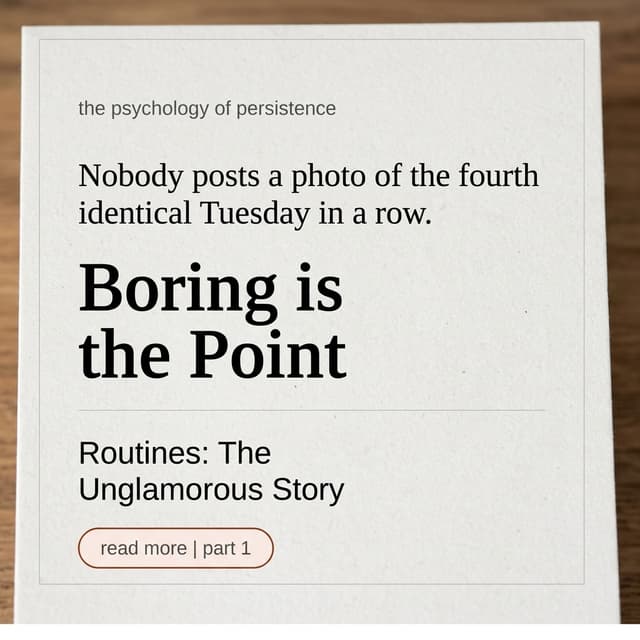
The Art of Patience: Finding Strength in Stillness
In our hyper-connected world, patience has become a rare virtue. Instant gratification dominates our expectations, but patience is far more than tolerance of delay. It is an active engagement with time itself.
The ancient Greeks distinguished between makrothymia, long-tempered endurance, and hypomone, steadfast perseverance. True patience combines both qualities in productive tension. We acknowledge some outcomes lie beyond immediate control while maintaining forward momentum.
Neuroscience reveals why patience feels challenging. Our brains have competing systems for immediate rewards and delayed gratification. The prefrontal cortex handles planning while the limbic system processes emotions. Strengthening patience requires intentional practice.
Cultural perspectives differ significantly. Nordic cultures embrace patience as cultural comfort with waiting. East Asian societies integrate patience into social structures through concepts like ganbaru. These frameworks transform waiting from punishment into purposeful practice.
Daily practices cultivate patience. Meditation, journaling, and exercise develop sustained attention over time. Progress feels imperceptible until suddenly it flows naturally. Patient practice observes what works without abandoning direction.
Have a Project in Mind?
If you have questions about this topic or want to collaborate on a project, don't hesitate to reach out.
Let's CollaborateYou May Also Be Interested In
Continue exploring more insights and tutorials.